
Plants
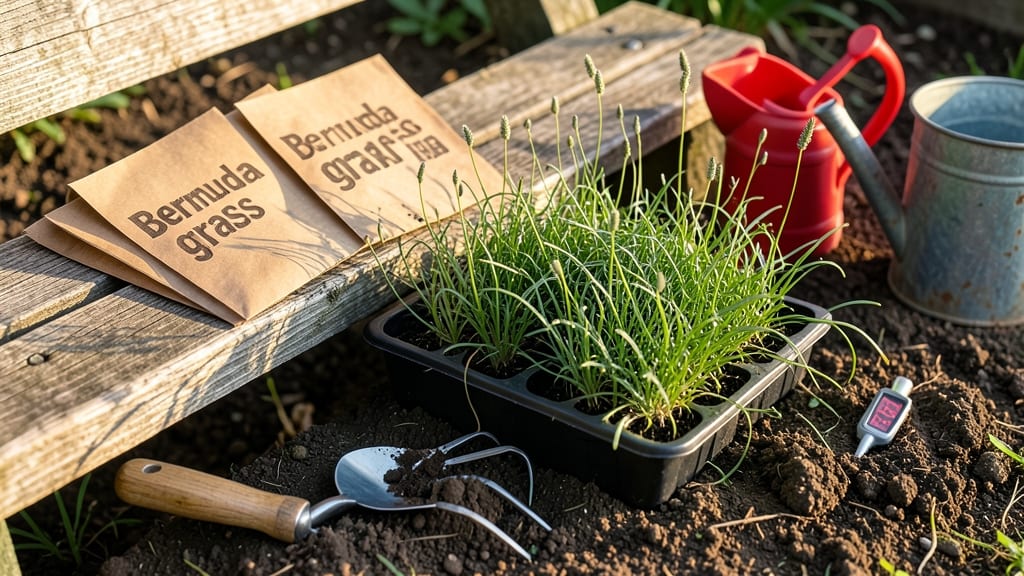
Planting Bermuda grass seed in Oklahoma at the wrong time can mean the difference between a lush, drought-resistant lawn and a patchy, struggling mess—especially when late spring heat arrives faster than you expect.
Most gardeners in zones 6b-8a wait until after the last frost, but timing isn’t just about the calendar—it’s about soil temperature, moisture, and your specific region’s microclimate.
In northern Oklahoma, you might have 4-6 extra weeks of cool weather to work with, while southern areas demand precision to avoid summer stress. Let’s break down the exact windows and critical steps to get your 🌱 Bermuda grass off to the strongest start.
You’ll discover why planting too early risks frost damage, while seeding too late leaves your lawn vulnerable to heat and drought before roots can establish. I’ll share the optimal 4-6 week window before summer’s peak, plus how to prep your soil and monitor conditions like a pro.
Whether you’re seeding a new yard or repairing bare spots, these region-specific tips will help you avoid common mistakes and ensure your Bermuda grass thrives year-round—no guesswork required.
Optimal Bermuda seed planting windows in Oklahoma by region (with exact frost dates)
Timing your Bermuda grass seeding in Oklahoma is all about beating the last frost while giving seeds 4-6 weeks to establish roots before summer heat arrives. Northern Oklahoma’s cooler springs demand earlier planting than southern regions, where warmer microclimates extend the window.
Let’s break down the exact planting windows by region to ensure your lawn thrives.
Bermuda grass thrives in USDA Zones 6b-8a, but Oklahoma’s microclimates create dramatic differences. The Panhandle (Zone 7a/8a) can plant as early as mid-March, while Northeast Oklahoma (Zone 6b) must wait until mid-April. Missing this window risks frost damage or heat stress before roots establish.
Soil temperature is your best guide—wait until it hits 65°F (18°C) consistently. Use a soil thermometer to confirm, as cool nights can delay germination. In my experience, planting too early in Zone 6b often results in weak seedlings that struggle to recover when temperatures spike.
Here’s the region-specific breakdown of when to plant Bermuda seed in Oklahoma, including last frost dates and ideal planting windows:
| Region | USDA Zone | Avg. Last Frost | Ideal Planting Window | Soil Temp Requirement |
|---|---|---|---|---|
| North (e.g., Tulsa, Muskogee) | 6b | March 15 | April 15–May 1 | 65°F+ |
| Central (e.g., Oklahoma City, Stillwater) | 7a | March 1 | April 1–April 15 | 65°F+ |
| South (e.g., Lawton, Altus) | 7b/8a | February 15 | March 15–April 1 | 65°F+ |
| Panhandle (e.g., Amarillo, Guymon) | 8a | February 1 | March 1–March 15 | 65°F+ |
For Northern Oklahoma (Zone 6b), aim to plant by May 1 to give seeds 6 weeks of warm soil before summer’s 100°F+ heat arrives. In my Tulsa garden, I’ve seen seeds planted after May 15 struggle with poor germination due to drought stress.
Central Oklahoma’s Zone 7a offers a slightly longer window, but don’t delay past April 15. The Oklahoma City area often experiences unpredictable April frost, so monitor weather forecasts closely. I recommend using a frost alert app to track real-time updates.
Southern Oklahoma’s warmer microclimate (Zone 7b/8a) allows for earlier seeding, but soil prep is critical. Test your soil’s pH (6.0–7.0) and amend with lime or sulfur if needed. My Lawton lawn shows the best results when planted in March with pre-emergent herbicide applied afterward to block weeds.
Pro tip: If you miss the spring window, consider sodding instead—Bermuda grass can also be planted in late summer (August) for a fall establishment. However,
5 Critical signs your Oklahoma Bermuda seeding timing is perfect (or disastrous)
Timing your Bermuda grass seeding in Oklahoma isn’t just about avoiding frost—it’s about catching the 65°F soil temperature window when seeds germinate fastest. One week too early, and frost zaps your progress; too late, and summer drought stunts root growth.
Let’s break down the 5 non-negotiable signs your timing is flawless—or doomed.
First, check your soil thermometer at 6 AM. If it consistently reads 65°F or higher for 3+ days, your seeds will germinate in 7-14 days.
Cold mornings below 60°F mean delayed sprouting, wasting your investment. Pro tip: Test the top 2 inches of soil—this is where seeds need warmth most.
Next, dig a 1-inch hole and fill it with water. If it drains within 2-3 hours, your soil has the perfect moisture balance for germination. Soggy soil suffocates seeds, while dry soil halts root growth. Aim for dampness like a wrung-out sponge—never muddy.
- 🌡️ Soil temp ≥65°F
- 💧 Moisture drains in 2-3 hours
- ☀️ 6+ hours sun daily
- 🌬️ No rain forecast for 7 days
- ⏰ Plant by June 1 (South OK) or May 15 (North OK)
Sunlight is your secret weapon. Bermuda grass demands 6+ hours of direct sun daily—no shade means weak, patchy growth. Scout your lawn at noon: If shadows linger beyond 2 PM, relocate your seeding to sunnier spots or prep for slower establishment.
Weather forecasts are your final checkpoint. Avoid planting if rain is predicted within 7 days—seeds need dry conditions to stay in place. Use the NOAA Climate Prediction Center for Oklahoma’s 10-day outlook. Pro move: Seed on a light wind day (5-10 mph) to help seeds settle evenly.
Lastly, time your seeding by region. In North Oklahoma (USDA Zone 6b), aim for May 1–15; in South Oklahoma (Zone 8a), June 1–15 is ideal. After June, summer’s 100°F+ heat stresses young roots. Miss these windows, and you’ll battle brown patches by August.
Now you’re armed to plant with confidence. Watch for those first green sprouts in 7–14 days—your reward for perfect timing! 🌱