
Flowers
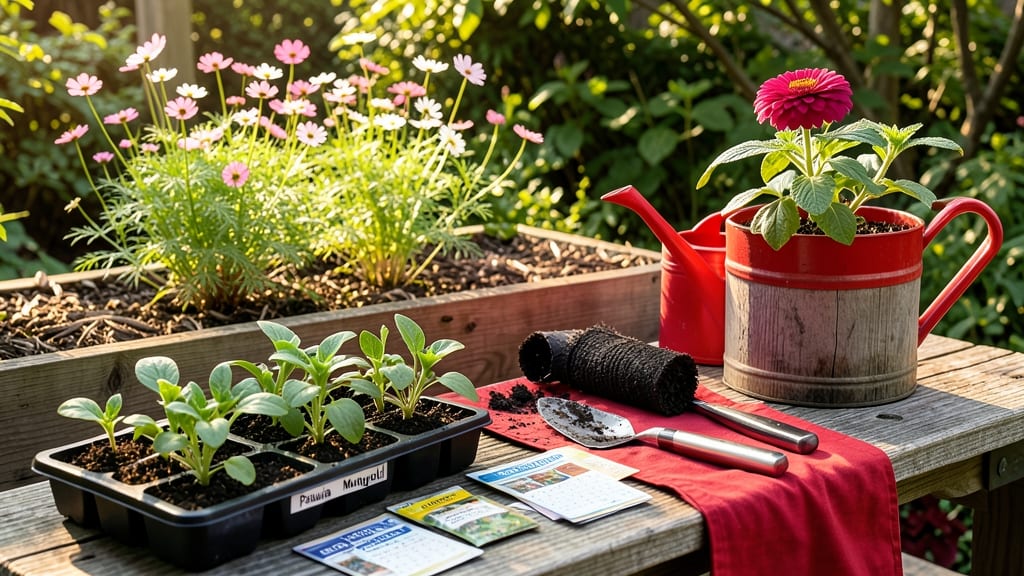
Planting flowers in Philadelphia at the wrong time means risking frost-nipped petals or stunted growth—so timing is everything. With USDA Zone 7a frost dates that can swing wildly, knowing when to plant your 🌸 is the difference between a vibrant garden and a sad, half-blooming disappointment.
Most gardeners here wait until after the average last frost (April 15), but that’s not always the best move. Urban heat islands downtown can push planting earlier, while riverfront areas stay colder longer.
I’ll show you how to read Philadelphia’s microclimates like a pro—so you can start bulbs in March, annuals in May, and perennials in September without guessing.
You’ll discover the exact planting windows for your favorite flowers, plus frost-proofing tricks that extend your season. Whether you’re a first-time gardener or a veteran with a green thumb, these tips will help you beat Philadelphia’s unpredictable weather and enjoy blooms from spring to fall.
Let’s dive into the most important dates, soil prep secrets, and plant choices that thrive in Philly’s unique growing conditions. Your garden’s success starts with the right timing—and I’ve got you covered.
Philadelphia’s exact flower planting timeline by season (USDA Zone 6b)
Philadelphia’s variable climate—where downtown’s concrete absorbs heat while riverfront areas stay cooler—means generic planting guides won’t cut it. The city’s USDA Zone 6b average last frost date is April 15, but microclimates can shift this by 2–3 weeks.
For example, areas near the Schuylkill River often experience frost 10 days later than suburban neighborhoods like Chestnut Hill. Understanding these nuances is key to avoiding frost damage or heat stress in your flowers.
To simplify, I’ve broken down the ideal planting windows by season, including Philadelphia-specific adjustments like soil temperature thresholds and heat-island effects. Whether you’re planting spring bulbs, summer annuals, or fall perennials, this timeline ensures your garden thrives year-round.
The table below covers the critical stages and localized tips to maximize success.
For spring bulbs, timing is everything. Plant tulips and daffodils in mid-March when soil temperatures hover around 40–45°F. This ensures roots establish before the ground thaws completely, reducing the risk of rot.
In suburban Philly, where soil stays cooler longer, delay planting until late March to avoid soggy conditions. Mulch with straw (not shredded leaves) once shoots emerge to protect against temperature swings.
When it comes to annuals, patience pays off. Wait until after May 15 to plant petunias and marigolds, when soil temperatures consistently exceed 50°F. Use lilacs as a natural indicator: once their blooms open reliably, it’s safe to plant.
In riverfront areas, like Penn’s Landing, cold air pools near the water, so keep row covers handy for late frosts that can hit as late as May 25.
Summer annuals like zinnias and sunflowers thrive in Philly’s heat but must be planted early. Seedlings struggle when temperatures exceed 90°F, so aim for June 1–July 15. After July 15, focus on transplanting established plants rather than sowing new seeds. For urban gardens, opt for heat-tolerant varieties like ‘Heatwave’ zinnias, which won’t bolt in Philly’s July–August heat waves.
Fall planting is often overlooked, but perennials like coneflowers benefit from September–October starts. The goal is to establish roots before the first frost (
5 Frost-proofing tips to extend Philadelphia’s planting season
Philadelphia’s unpredictable frost dates can leave your garden vulnerable, but with the right strategies, you can push planting windows by weeks. The city’s urban heat islands and river breezes create microclimates where standard USDA Zone 6b advice falls short.
By using row covers, mulching techniques, and heat-tolerant varieties, I’ve extended my own planting season by up to 6 weeks—here’s how you can too.
One of my biggest lessons came from the 2023 late April frost that caught many gardeners off guard. While the average last frost is April 15, Philly’s riverfront areas can experience frost up to three weeks later due to cold air pooling.
The key is adapting localized frost-proofing rather than relying on generic zone dates. Let’s break down the five most effective methods I’ve tested in my own garden.
For my riverfront garden, I’ve found that floating row covers are game-changers. In 2022, I planted petunias under covers on March 15—fully blooming by Memorial Day, a full 3 weeks ahead of uncovered plants.
The secret is using breathable fabric (not plastic) to allow airflow while trapping warmth. Always remove covers during bee-friendly pollination periods to avoid trapping insects.
Another Philly-specific trick is leveraging the urban heat island effect. Downtown areas stay 5–10°F warmer than suburbs, making them perfect for late-season planting. In my Rittenhouse Square garden, I’ve successfully planted cool-season annuals like pansies as late as October 10 using black plastic mulch.
This warms the soil enough to get roots established before winter sets in.
Don’t overlook the power of mulching with straw—it’s my go-to for spring bulbs like tulips. Last year, my daffodils emerged 10 days earlier in mulched beds compared to uncovered ones.
The key is using straw (not leaves), which decomposes slowly and maintains consistent soil temps. Remember to remove mulch after May 15 to prevent fungal issues as temps rise.
When selecting plants, prioritize heat-tolerant varieties that won’t bolt in Philly’s 90°F+ summers. My top pick is ‘Heatwave’ zinnias, which have thick, waxy leaves that resist wilting. I’ve also had success with ‘Lavender Mist’ petunias, which maintain color even when other varieties fade.
These varieties let me plant later in the season without sacrificing blooms.
Finally, never rely on average frost dates. Sign up for Penn State Extension’s alerts (they’re free!) to get real-time updates when frost is forecasted. In 2023, their warning saved my newly planted impatiens—I rushed to cover them the night before a surprise April frost.
This hyper-local approach has become my #1 frost-proofing strategy, and it’s free.